
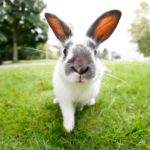
 In Australia, we recommend that rabbits are vaccinated against Calicivirus, more accurately known as Rabbit Haemorrhagic Disease Virus (RHDV).
RHDV is a highly contagious virus, spread in all secretions from a rabbit – urine, faeces, respiratory secretions, bedding, housing, feed bowls etc. This virus can survive for up to one month in the environment and can also be transmitted by fleas and other insects.
Sadly this disease is fatal, which is why we recommend vaccinating against this virus.
The RHDV1 strain of the virus was originally introduced to Australia to control the wild rabbit population, with the RHDV strain officially detected in 2015.
When should I vaccinate my rabbit?
Younger rabbits should be vaccinated against Calicivirus at 4,8 and 12 weeks of age. All adult rabbits should be vaccinated every 6 months.
What if my rabbit has not been vaccinated for over 12 months?
Rabbits who have not been vaccinated for over 12 months should be given a vaccination and then a booster 4 weeks later.
Are there side effects to the vaccination?
The CYLAP vaccination is a deactivated vaccine, which means that the particles within the vaccination allow the immune system to recognise the virus, however the chances that the rabbit develops clinical disease is small. Even though this vaccination is deactivated, it could still cause negative effects such as lethargy, inappetence and skin lesions. In rare occasions, lameness has been noted.
MYXOMATOSIS
What is Myxomatosis?
Myxomatosis is caused by a poxvirus called myxoma virus. It is spread between rabbits by close contact by insects such as mosquitoes and fleas. Myxomatosis was introduced into Australia to reduce the number of pest rabbits in the wild.
What are the clinical signs of Myxomatosis?
Myxomatosis causes swelling and discharge from the eyes, nose and genital regions. This virus typically results in death, 10 to 14 days after infection.
How can I protect my rabbit against myxomatosis?
Unfortunately vaccines against myxomatosis are unavailable in Australia. The only way that we can prevent infection is to protect pet rabbits from biting insects such as fleas and mosquitoes.
- Keep your rabbits inside from dusk until dawn when mosquitoes are most abundant.
- Cover their house in mosquito proof mesh.
- Minimise contact with wild rabbits