Our services
Native Wildlife
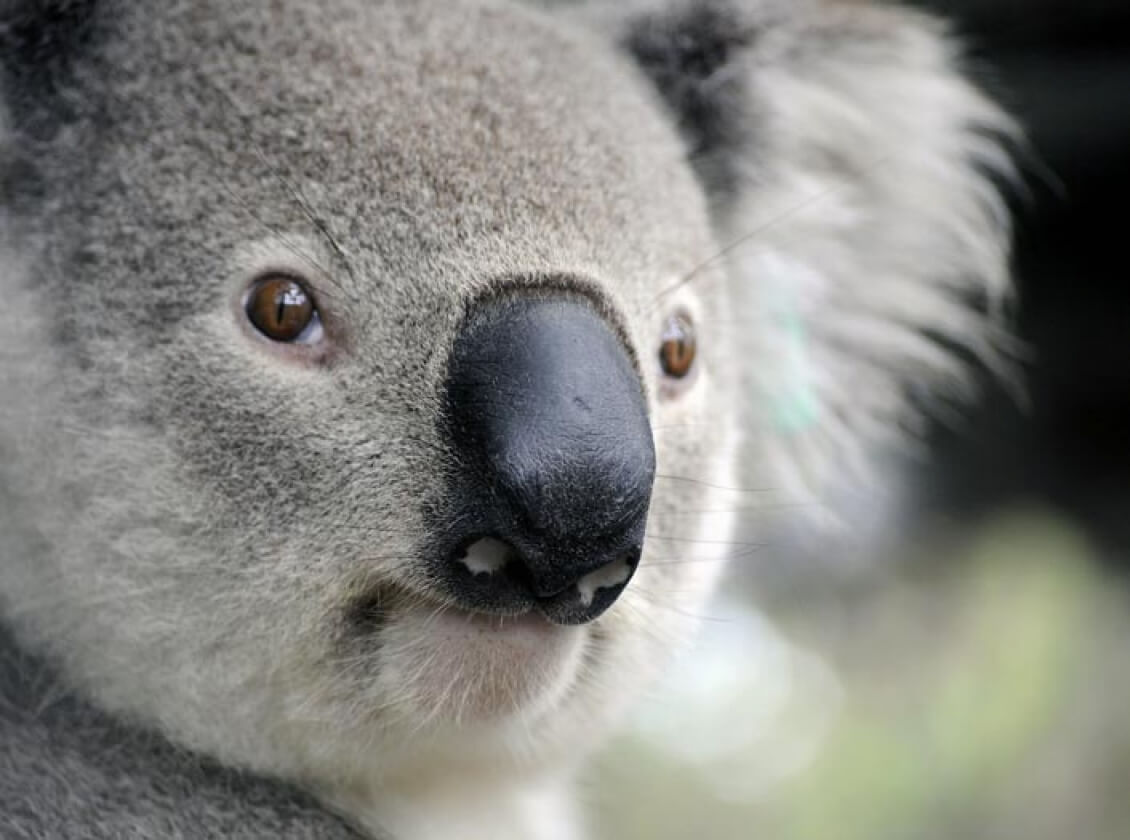
We accept injured and orphaned native wildlife for assessment and treatment, free of charge. For advice, Wildlife Victoria is the best first point of contact.
Our services
We accept injured and orphaned native wildlife for assessment and treatment, free of charge. For advice, Wildlife Victoria is the best first point of contact.
As part of our commitment to the local community and environment, we accept injured and orphaned native wildlife for assessment and treatment. All wildlife care is provided pro bono.
Finding an injured, sick or orphaned animal can be distressing, and it isn’t always obvious whether an animal needs help.
For native wildlife, Wildlife Victoria is the best first point of contact. Their emergency service can provide advice and connect you with trained wildlife rescuers.
Wildlife Victoria Emergency Line: (03) 8400 7300, available 24/7
If you are unsure what to do, seek advice before moving, feeding or treating wildlife yourself.
If you find an injured, sick or grounded bird, keep children and pets away and avoid handling it unnecessarily.
Contact Wildlife Victoria for advice if the bird:
A baby bird on the ground isn’t necessarily abandoned. Young fledglings often leave the nest before they can fly confidently, while their parents continue to care for them nearby.
If the bird is fully feathered, alert and uninjured, keep cats and dogs away and, where possible, leave it where you found it.
If the bird is very young, featherless or only partly feathered, look for its nest. If you can safely reach it, return the chick to the nest.
If the nest is damaged or you aren’t sure what to do, contact Wildlife Victoria before taking the bird away.
Wildlife Victoria: (03) 8400 7300
Bird flu, including H5 avian influenza, has been detected in wild birds in Victoria. This is an extremely infectious virus that can also be transmitted to humans.
If you find a sick or dead wild bird:
Particular bird deaths or groups of sick or dead birds should be reported, including five or more sick or dead wild birds or a single sick or dead wild seabird, waterbird, shorebird or bird of prey.
Emergency Animal Disease Hotline: 1800 675 888
For current information and reporting requirements visit: Agriculture Victoria, H5 Bird Flu
If you have already handled potentially infected wildlife, wash your hands thoroughly and follow current Agriculture Victoria health advice.
Possums are nocturnal, so a possum on the ground during the day may need assistance.
Contact Wildlife Victoria if a possum is:
Wildlife Victoria: (03) 8400 7300
A possum joey found on the ground may need urgent assistance.
Keep it warm and contact Wildlife Victoria for advice. Do not give a baby possum food or water unless instructed by a wildlife professional or veterinarian.
Wildlife Victoria can provide advice about many types of native wildlife, including:
If you’re unsure whether an animal needs help, contact Wildlife Victoria before attempting to capture or relocate it.
Wildlife Victoria Emergency Line: (03) 8400 7300
If you find a dog or cat that appears lost, approach carefully. Frightened animals may behave differently from normal.
If it is safe to do so:
If the animal is injured or unwell, contact a veterinary clinic.
A kitten found alone may not necessarily be abandoned. The mother may be nearby and returning to care for her kittens.
If kittens appear warm, clean, settled and healthy, observe from a safe distance and seek advice before moving them.
If a kitten is cold, weak, injured, crying continuously or appears unwell, it may need veterinary attention.
Very young animals can deteriorate quickly, so contact a veterinary clinic or animal welfare organisation for advice if you’re unsure.
The Narre Warren Vet can provide veterinary care for injured or unwell domestic animals during our normal opening hours.
For native wildlife, please contact Wildlife Victoria first so they can advise on the most appropriate care and rehabilitation pathway.
If you find an injured dog, cat or other domestic animal outside our opening hours, contact an emergency veterinary hospital.
405 Princes Highway, Narre Warren VIC 3805
(03) 8790 1625
36 Lonsdale Street, Dandenong VIC 3175
1300 385 874
Open 24 hours, 7 days
Native wildlife: Wildlife Victoria, (03) 8400 7300
Sick or dead wild birds: Agriculture Victoria, 1800 675 888
Lost or found dog or cat: Local council, animal welfare organisation or veterinary clinic
Injured domestic animal during clinic hours: The Narre Warren Vet
Urgent domestic animal emergency after hours: Casey Pet Emergency or VRH Dandenong
When in doubt, seek advice before moving or feeding an animal. The safest response depends on the species, age and condition of the animal.
Book online in a few clicks or call our friendly team. We look forward to meeting you and your pet.