
Before you scoop up that fluffy youngster, here’s how to tell when to help — and when to let nature do its thing.
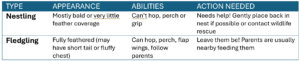
🐥 Nestling vs Fledgling – What’s the Difference?
🚫 Why You Shouldn’t Take Fledglings to the Vet (Unless Injured)
Fledglings spend several days on the ground while learning to fly. During this time, their parents continue to feed and protect them — even if you can’t see them!
Removing a healthy fledgling:
- Interrupts vital learning
- Separates them from their parents permanently
- Overloads wildlife carers and clinics unnecessarily
✅ What To Do If You Find a Young Bird 
- Observe from a distance. Are the parents returning? They often visit every few minutes to feed.
- Check for injury. If bleeding, cold, dragging a wing or leg, call your local vet.
- Move to safety (if needed). If in immediate danger (road, pet area), gently place nearby in a shrub or low branch.
- Keep pets and children away
If unsure, take a photo and call us — we’re happy to give advice before action is taken.
📞 Narre Warren Vet: 9704 6463
🚑 When to Bring to the Clinic
Bring the bird in only if:
✔ It’s a nestling (very young, no feathers) and you cannot find or reach the nest
✔ It’s clearly injured or unwell
✔ It’s been attacked by a cat or dog (always treat as emergency — even if it looks fine)
💛 Most fledglings aren’t abandoned — they’re just growing up. Your best help is often hands off. When in doubt, call us before bringing wildlife into the clinic.