
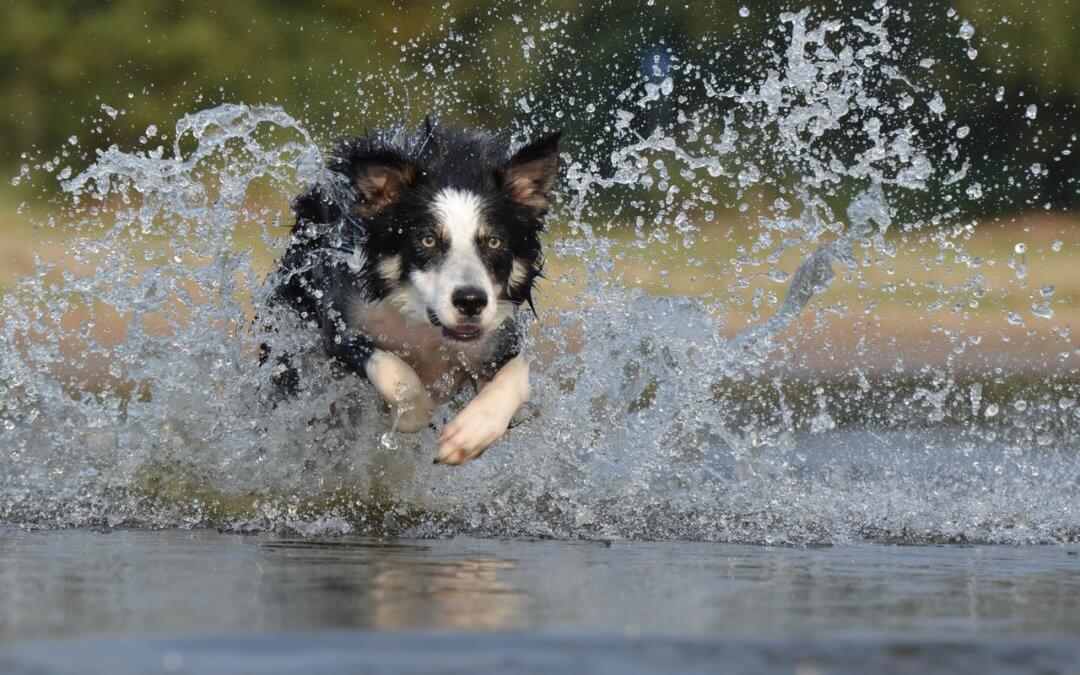
Summer is a great time to take your dog swimming but did you know that an innocent dip can lead to an ear infection for your dog?
We like to think of your dog’s ear as its own ‘mini-environment’. This environment can be easily disrupted and swimming is a common way for water to enter the canal and upset the balance. Heat, self-trauma (for example from itching due to allergies) and foreign bodies such as a grass seed can also mess things up too.
Unfortunately, bacteria and yeast love the change in environment and begin to increase in numbers, resulting in a very unhappy ear canal and a sad and uncomfortable pet.
Signs your pet might have an ear problem:
- Shaking of the head
- Rubbing ears along the floor or furniture
- Itching behind ears with paws
- Hot and red ears
- Discharge – may be smelly and can be black, white or yellow
- A head-tilt
What to do
If you notice any of the above symptoms, arrange a check-up with us. We will need to examine the ear canals and check for signs of infection and/or inflammation. We also need to make sure there is not a foreign body such as a grass seed contributing to the problem.
A sample of what’s in the ear must be taken and stained with special chemicals to identify if there is any bacteria or yeast present. This also enables us to prescribe the correct medication for your pet and means the ear will improve as quickly as possible.
If you think your pet might have an ear problem it’s best to arrange a check-up with us ASAP. The longer you leave an ear infection, the more painful the ear becomes and the harder (and more expensive) it becomes to treat. You should also ask us about the best way to clean your pet’s ears after they go swimming as this can help prevent future ear infections and keep your pet’s ears happy and healthy.